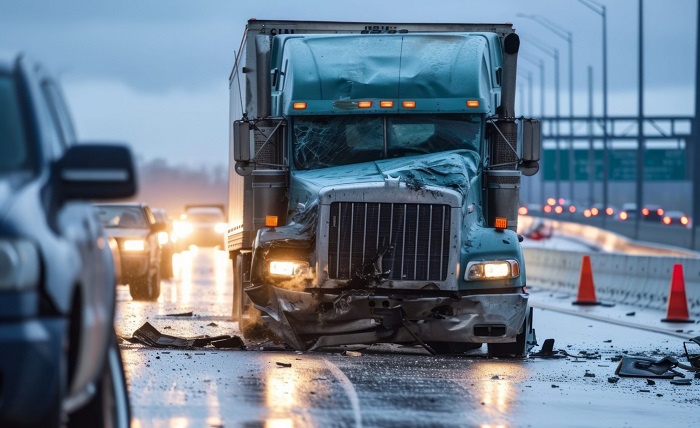
When a truck crash is not just about one driver
A crash with a large truck rarely stops with one name on a police report. A fleet truck usually belongs to a company. That means the claim often reaches past the person behind the wheel and into business records, hiring files, and service logs. That changes everything. A family car wreck can feel simple at first. A fleet crash often does not. A company may own ten trucks, fifty trucks, or hundreds. Each one runs on schedules, routes, and deadlines. Those deadlines matter because they often shape how a driver acts on the road. A tired driver may rush through traffic. A truck may leave the yard with worn brakes. A dispatcher may push one more run before dark. None of that shows up clearly at the crash scene, but it can shape the claim later. That is why many injured people speak with a Houston personal injury lawyer early. A lawyer can ask for records before they disappear.
Fleet operators carry more duty than most drivers
A fleet company is expected to do more than hand over keys. It must hire safe drivers. It must train them. It must inspect trucks and fix known problems. It must follow state and federal trucking rules. When a company skips those steps, the risk lands on everyone nearby.
A fleet claim often looks at:
- Driver logs
- Brake checks
- Tire records
- Phone use
- GPS data
- Hiring files
- Drug test history
A single missing document can tell a story. Say a truck rear-ended a car on Interstate 45 during rush hour. The driver may say traffic stopped fast. That happens. Yet if records show the driver had already been on duty too long, the case shifts. The company may share fault too.
Why fleet companies move fast after a crash
Here’s the thing—fleet firms often act within hours. They may send investigators to the crash site before an injured person leaves the hospital. They collect photos, talk to witnesses, and protect their side early. That is not unusual. It is standard practice. A large insurer may also step in right away. Their goal is clear: control the facts before a claim grows. That can feel unfair, especially when someone is dealing with pain, missed work, and repair bills at the same time. A law firm like Schechter, Shaffer & Harris, LLP – Accident & Injury Attorneys based in Houston—often focuses on preserving records before they vanish. Truck data can be lost if no one sends notice quickly. And yes, some data disappears faster than people expect.
The truck itself often tells part of the story
Modern fleet trucks record movement almost like a silent witness. Speed changes, brake use, idle time, and steering inputs may sit inside onboard systems. Some trucks also store event data right before impact. Think of it like checking a phone after a missed call. The answer is often already there—you just need lawful access.
That data may show:
- Sudden hard braking
- No braking at all
- Sharp lane drift
- Speed above posted limits
A driver’s memory may blur after impact. Machines usually do not blur. Still, data alone does not win a claim. It must match witness accounts, police notes, and road facts.
A fleet claim may involve more than one company
People often assume one truck means one company. Not always. A tractor may belong to one business. The trailer may belong to another. Cargo loading may come from a third company. That matters because bad loading can cause rollovers, sway, or jackknife crashes. You know what? A badly loaded trailer can act like a shopping cart with one bad wheel—fine for a second, then suddenly hard to control. A lawyer checks contracts, shipping papers, and route logs because fault can spread across several parties. That often raises the available insurance too.
Why proof fades faster than people think
Skid marks wash away. Cameras overwrite footage. Witnesses forget details. That is why early legal practice action matters. Photos taken the same day often help more than long statements later. Even a simple image of crushed doors, broken lights, or lane position may support a claim months later. Medical care matters too. Gaps in treatment give insurers room to argue. They may say: if the injury hurts that much, why wait? That question comes up often, even when someone delays care because they worry about cost.
Pain is not always obvious after a truck crash
A strange part of truck crashes is how pain can arrive late. Adrenaline masks a lot. Someone may walk away, feel lucky, then wake up stiff the next day. Neck pain. Back pain. Hand numbness. That delayed pain still matters. Doctors often connect those symptoms to impact once scans and exams begin. The key is linking treatment to the crash clearly. A claim becomes harder when months pass with no records.
Fleet insurers often test patience
Many people expect one quick call and fair payment. That rarely happens in truck claims. An insurer may first ask for a recorded statement. It may request broad medical access. It may offer a low early figure before long-term care is known. That early offer can look tempting when bills stack up. Still, early numbers often miss future costs—therapy, lost pay, follow-up visits, and pain that lingers longer than expected. A strong claim usually waits until the medical picture becomes clearer.
What damages may be claimed
Truck crash claims often cover more than car repair. A person may seek payment for:
- Emergency treatment
- Hospital bills
- Lost wages
- Future care
- Pain and stress
- Car damage
In severe cases, long-term work limits matter too. A hand injury for an office worker and a hand injury for an electrician do not land the same way. Same injury, very different daily impact. That difference matters when lawyers calculate loss.
Why local court knowledge helps in Houston
Truck claims in Houston often involve busy roads, freight traffic, and dense business routes. Roads near the Port of Houston see constant truck movement. More trucks often mean more claim disputes. A lawyer who works often in local courts knows how insurers argue here, what judges expect, and which records matter first. That local pattern helps shape the timing of a claim. Sometimes timing changes pressure more than people expect.
FAQs: What people ask most after a fleet truck crash
- Can I sue the trucking company and not just the driver?
Yes. If the company owned the truck, hired the driver, or failed to maintain the vehicle, it may share fault. That often makes the claim larger because business insurance is usually involved.
- What if the truck driver says I caused the crash?
That does not end your claim. Police reports, road photos, witness notes, and truck data often help sort fault. In Texas, shared fault may still allow recovery if your share stays below the legal limit.
- How long do truck accident claims usually take?
Some settle in months. Hard cases take longer, especially if injuries need long care. Fleet claims often move slower because companies review records carefully before paying.
- What records matter most in a fleet operator case?
Driver logs, repair files, GPS history, dispatch notes, and onboard truck data often matter most. Those records may show if the company broke safety rules.
- Should I talk to the insurer before hiring a lawyer?
You can report basic facts, but avoid detailed recorded statements too early. A lawyer usually reviews what should be shared first, which helps avoid weak spots later.
Truck claims are rarely simple. They look simple from the roadside, then layers appear—company rules, truck records, insurance pressure, and missing facts. That is why careful early work matters